Why Organic Sleep Matters
If you’re serious about sleep, you’re also serious about your environment. Organic fabrics are designed to minimize chemical exposure, regulate temperature, and support skin health—factors proven to influence sleep quality. In the modern bedroom, the air we breathe, the textures we touch, and the textiles that cradle us all night matter as much as the mattress itself.
Breathability is a cornerstone. Natural materials like organic cotton, linen, wool, and latex offer open structures that promote airflow. They help wick away moisture, reduce overheating, and maintain a steady microclimate around your body—crucial for those who sleep on their side, back, or stomach. Temperature regulation isn’t just about comfort; it can influence sleep stages and the likelihood of waking during the night.
Another pillar is chemical exposure. Certifications such as GOTS (Global Organic Textile Standard), GOLS (Global Organic Latex Standard), and OEKO-TEX help consumers navigate the sea of textiles with confidence. These labels signify processes and materials that avoid harmful substances, making a tangible difference for sensitive skin, allergy-prone sleepers, and eco-conscious households.
In this article, we’ll explore breathability, certifications, and practical swaps you can make to convert a standard bedroom into a serene, organic sleep sanctuary.
Breathability and Temperature Regulation: The Science Behind Sleep Comfort
Breathability is not a buzzword; it’s a physiological driver of sleep. When your bedding allows air to circulate, your body can shed heat more effectively, lowering the chance of overheating, which is a common sleep disruptor. Organic cotton sheets, linen, wool blankets, and latex toppers each contribute unique airflow patterns.
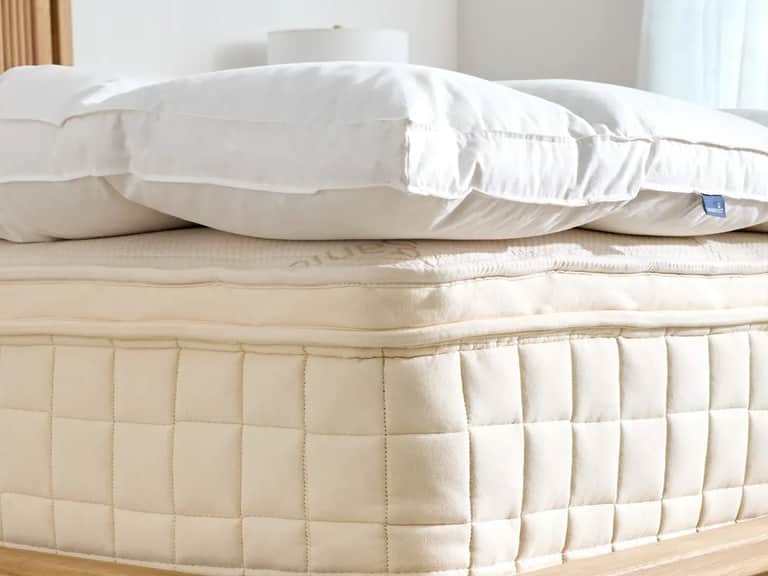
Organic cotton sheets, such as the Sleep and Beyond Organic Cotton Percale Sheet Set, provide crisp feel and reliable airflow thanks to their percale weave. Linen, as found in Naturepedic Linen duvet covers, excels at moisture management and temperature buffering, making it a favorite in warmer climates. Wool, used in many Sleep and Beyond comforters, has natural temperature-regulating properties that keep you cool in summer and warm in winter. Latex toppers, like the Naturepedic Box-Stitched Organic Latex Mattress Topper, offer a breathable underlayer that dissipates heat while adding pressure relief.
The open-cell structure of natural latex, combined with a GOTS-certified organic cotton cover, creates a sleeping surface that breathes with you. These materials are not merely decorative; they actively shape your sleep cycles by maintaining a stable microclimate around your body.
Reading Certifications: GOTS, GOLS, OEKO-TEX, and What They Mean for You
Decoding labels helps you avoid greenwashing and ensure your purchases align with health and environmental goals. Here’s a quick primer on the big three:
- GOTS (Global Organic Textile Standard) — The premier global standard for organic textiles. It covers the entire supply chain from harvest to finished product, with strict ecological and social criteria. If a sheet or pillowcase bears GOTS, you’re looking at organic fibers processed without harmful chemicals.
- GOLS (Global Organic Latex Standard) — The standard for organic latex. If a latex pillow or topper is GOLS-certified, the latex is derived from organic sources and processed under controlled conditions that minimize chemical exposure.
- OEKO-TEX — A broader textile certification that tests for harmful substances. While not exclusively organic, it helps verify low-toxicity materials in textiles that may include blends.
When selecting bedding, aim for products that combine these certifications. For example, Naturepedic’s organic toppers and pillows frequently feature GOTS and GOLS certifications, along with MADE SAFE or GREENGUARD Gold in some cases. These marks aren’t just badges; they’re a pledge that the product was built with your health in mind.
A Quick-Start Checklist to Create an Organic Sleep Sanctuary
- Swap to organic sheets and pillowcases. Start with a breathable set like the Sleep and Beyond Organic Cotton Percale Sheet Set or the Sleep and Beyond Organic Supima Cotton Sheets for a premium, durable feel.
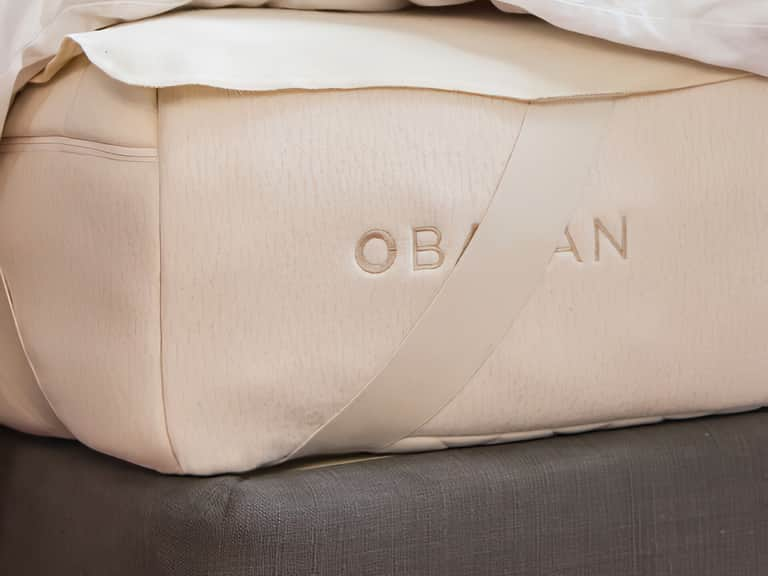
- Choose a safe pillow strategy. For color, consider the Naturepedic Organic Side Sleeper Pillow for side sleepers or the Obasan Organic Wool Pillow for temperature regulation with adjustable loft.
- Consider a duvet insert with organic wool or latex. A Naturepedic Alpaca Duvet Insert or a Wool Comforter from Sleep and Beyond can provide thermal balance without synthetic fills.
- Add a topper if your mattress needs a lift. The Naturepedic Box-Stitched Organic Latex Topper can smoothingly transform an old mattress into a cooler, more supportive surface.
- Protect and extend. Add a waterproof organic mattress protector (Sleep and Beyond offers options with a non-toxic TPU barrier) to maintain a clean, chemical-free sleep space.
Sleep has always mattered beyond the bed. Here are three pivotal figures who shaped how we think about sleep, rest, and the materials that cradle us at night:
Hypnos: The Ancient Whisper of Sleep
In ancient mythologies, Hypnos—the personification of sleep in Greek lore—reminds us that sleep is a precious, almost ritual act. While not a scientist, Hypnos symbolizes humanity’s enduring quest to honor rest. In a modern echo, organic fabrics honor the same instinct: create a rest-friendly environment free from harsh chemicals and synthetic irritants. The idea of a calm, toxin-free sleeping space channels that ancient reverence for restful nights.
Florence Nightingale: Hygiene and the Bedroom as a Sanctuary
Florence Nightingale revolutionized healthcare through hygiene and environment. Her ethos translates elegantly to today’s bedding: think clean air, clean surfaces, and materials that don’t off-gas. Nightingale would likely applaud the shift toward GOTS, GOLS, and OEKO-TEX certifications, which help minimize toxins in fabrics and promote safer sleep environments for families and individuals alike.
Mary Austin: The Modern Wellness Pioneer
Mary Austin’s wellness philosophy emphasizes natural living and holistic health. In the context of organic sleep, her influence is seen in the decisions readers make about their sleep surfaces: organic cotton, natural wool, plant-based fills, and breathable latex toppers. Her approach champions a daily ritual of care for the body and planet, a sentiment echoed by brands that prioritize sustainable sourcing and ethical manufacturing.