Understanding Organic Certifications in Bedding: GOTS, GOLS, and Beyond
A clear overview of the major organic certifications that appear on pillows and bedding, what they guarantee, and how to compare products. This guide helps health-conscious shoppers evaluate claims and make informed choices without bias.
Introduction: Why Certifications Matter in Bedding
In a marketplace crowded with claims of “organic,” “natural,” and “clean,” the labels on bedding can feel like a cryptic dance of logos and acronyms. Yet for the sleep-conscious consumer, certifications are not ornamental badges but practical assurances: what materials were used, how they were processed, and how little synthetic chemistry lingered in the final product. The world of pillows, sheets, and toppers has evolved far beyond a simple preference for soft fabrics; it now encompasses a nuanced web of standards that seek to minimize chemical exposure, reduce environmental burden, and protect animal welfare where relevant.
This article surveys the major organic certifications that regularly appear on bedding, with a focus on two heavyweights—GOTS and GOLS—alongside other widely recognized seals like Oeko-Tex. We’ll explore what each certification covers, how logos should be interpreted on product specifications, and what a buyer should look for when comparing brands such as Naturepedic, Obasan, Sleep and Beyond, and similar manufacturers that foreground organic integrity.
GOTS: The Gold Standard for Organic Textiles
The Global Organic Textile Standard (GOTS) is often described as the most trusted certification for organic textiles. It codifies not just the organic status of the raw materials—typically cotton, wool, or other natural fibers—but also the entire supply chain, from harvest to finished product. A GOTS-certified item must meet strict criteria on chemical inputs, dyeing processes, waste management, and social criteria along the way.
What does this mean for bedding? For covers, blankets, and pillow casings, GOTS ensures that the fibers are organic and that dyes, finishing agents, and processing chemicals are within strict limits. It also imposes controls on heavy metals, formaldehyde, pesticides, and other potential irritants, making GOTS a reliable indicator for consumers who are particularly sensitive to chemicals or who want to minimize exposure for children and individuals with allergies.
Importantly, GOTS covers the textile portion of a product but does not automatically certify the entire pillow or filling. If a pillow is GOTS-certified for its fabric, one should still verify the filling material—whether it is organic wool, organic latex, kapok, or a shredded latex blend—and ensure that the filling itself carries a compatible organic certification (or a separate endorsement). When both fabric and filling carry compatible certifications, a product can genuinely claim a comprehensive organic profile.
Protections offered by GOTS are as much about sustainability as they are about purity. The standard requires responsible handling of wastewater and environmentally sound practices in production facilities, ensuring that the environmental footprint is minimized at every stage. For shoppers seeking a trustworthy baseline, a GOTS seal on bedding fabric is a strong signal that the product aligns with high ecological and social standards.
GOLS: Organic Latex and the Science of Comfort
The Global Organic Latex Standard (GOLS) is specifically tailored to natural latex, a material prized for its buoyant, responsive support and its thermal regulation properties. GOLS governs the organic status of latex obtained from rubber trees, ensuring that the latex is produced without synthetic additives, with responsible harvesting practices, and with traceable supply chains. When a pillow or mattress component lists GOLS, it signals to the buyer that the core material adheres to a rigorous organic protocol, not merely the outer fabric.
In the bedding world, GOLS-certified latex often appears in memory-foam alternatives or solid latex pillows, where the filling’s organic origin matters as much as the cover. GOLS complements GOTS by addressing the core material’s provenance, which is essential for readers who prioritize both organic fabrics and the purity of the foamless or foam-reduced compositions used in premium pillows.
It is worth noting that some products may feature a GOTS-certified cover alongside a GOLS-certified latex core. In such cases, the consumer should look for explicit language tying the two certifications to the same product line and confirm that the assembly retains the organic integrity of both components.
Oeko-Tex and the Other Side of the Spectrum
Oeko-Tex Standard 100 is perhaps the most recognizable self-regulatory standard in textiles, focusing on the absence of harmful substances in finished products. Unlike GOTS, Oeko-Tex does not certify organic origin; rather, it tests the textile for carcinogenic and allergenic substances and certifies that the product is free from harmful chemicals under specified limits. For bedding, an Oeko-Tex seal can be a meaningful complement to organic certifications, signaling that a final product meets stringent safety thresholds even if the raw materials are not organically grown.
The presence of an Oeko-Tex certification might reassure buyers who want a high level of chemical safety but do not necessarily require organic farming for cotton or wool. When evaluating products, readers should note that Oeko-Tex is about chemical safety and presence of toxins, while GOTS and GOLS address the organic origin of materials and sustainable manufacturing practices. In practice, the strongest environmental and health assurances come when multiple certifications overlap—GOTS or GOLS on the core materials, with Oeko-Tex confirming absence of toxins in the final textile.
Reading Logos: How to Read Certification Labels on Bedding
Logos on a product’s packaging or product page tell a story about the journey from raw material to finished product. A vigilant shopper should look beyond a single seal and examine the scope and scope-limits of each certification:
- GOTS: Verify that both the fabric (cover) and the primary materials (cotton, wool, or other fibers) are covered under the scope of GOTS. If the product lists “GOTS organic cotton” or “GOTS-certified wool,” confirm whether the entire textile, including trims, threads, and dyes, adheres to the standard.
- GOLS: If the pillow or bedding features latex, check for GOLS certification for the latex material itself. Consider whether the surrounding fabric is also certified organic and whether the latex is used in a form (solid block, shredded, or blended) that aligns with your preferences for support and comfort.
- Oeko-Tex: Look for the standard number (e.g., Standard 100) and understand that this typically speaks to the absence of harmful substances in the final textile, not to the organic origin of the materials.
- Any composite claim (e.g., “GOTS-certified fabric, with GOLS-certified latex core”): Ensure that both components are certified and that the product is assembled in a facility that respects both sets of standards.
An important practical tip: read product specifications for each component of a pillow or bedding item. Sometimes a product may be marketed as “organic” because the outer fabric is organic with a GOTS label, while the inner filling is a non-organic latex or synthetic filler. In such cases, the level of organic integrity is partial. For a fully organic experience, consumers should seek products where both cover and filling carry compatible organic certifications, or where the filling itself carries an independent organic designation, such as GOLS for latex or a GOTS-originated wool filling.
Practical Evaluation: Certificates, Claims, and Real-World Use
Beyond logos, buyers should weigh the real-world implications of certifications. Consider:
- Material purity and chemical exposure: Certification standards aim to minimize exposure to pesticides, heavy metals, formaldehyde, and other irritants. When your sleep surface is free from these chemicals, you are less likely to experience contact dermatitis, respiratory irritation, or skin sensitivity.
- Environmental impact: Certification schemes like GOTS explicitly require sustainable production practices, wastewater management, and social compliance in factories. For eco-conscious consumers, this translates into a bedding choice with a smaller ecological footprint than conventional textiles.
- Animal welfare and fiber provenance: For fillings made from animal-origin fibers (wool, down, kapok), some certification ecosystems endorse humane sourcing and traceability. Always check whether animal welfare standards are part of the certification scope, and whether the supplier can provide supply-chain transparency or third-party audit reports.
- Durability and maintenance: Certifications matter, but so does the product’s long-term performance. Knit-aware designs, responsibly sourced latex cores, and high-quality cotton or wool with appropriate care instructions contribute to a pillow’s ability to maintain loft and shape over years of regular use and washing.
Case Studies: How Certifications Play Out in Notable Brands
While this discussion avoids profiling individuals, it is useful to reflect on how reputable brands approach certifications in bedding. Consider brands that prominently advertise GOTS-certified fabrics, GOLS-certified latex, and Oeko-Tex safety assurances. The best examples present transparent documentation: certificate numbers, issuing bodies, and detailed product pages that map each component to its certification. Consumers benefit when brands publish supply-chain diaries, supplier lists, and third-party audit results that validate claims rather than merely citing a logo.
In educational resources—such as the direction proposed for a site dedicated to organic sleep materials—the goal is to translate these certificates into actionable guidance. A reader should be able to answer: Where did the cotton come from? Is the latex truly organic? Are the dyes and finishing agents non-toxic? What is the environmental impact of the production process? A well-structured product page can offer a concise checklist, followed by deeper dives into each component and its certification status.
Checklist for Evaluating Organic Bedding Claims
- Identify all certifications present on the product and verify whether they cover both covers and fillings.
- Check that the certification scope matches the exact product type (pillow, sheet, or blanket) and that the certification numbers align with the issuing bodies.
- Look for third-party audit reports or certificate documents that can be requested from the seller or brand website.
- Assess the supply chain transparency: where were materials grown or harvested, and how were processing and finishing conducted?
- Compare multiple products from different brands to understand relative sustainability and purity—GOTS status on one product does not necessarily equate to GOTS certification across all product lines.
Connecting Certifications with Everyday Sleep Decisions
The practical upshot of understanding these certifications is empowerment. A consumer who knows what GOTS guarantees and what GOLS protects can align bedding choices with personal health priorities, allergies, and ethical considerations. If you are designing a sleep environment—for a child, a patient recovering from illness, or a person with chemical sensitivities—the knowledge helps you create a space that supports restorative rest without compromise.
The bedding landscape now accommodates a spectrum of preferences: fully organic cores with organic covers, hybrid constructions that marry organic textiles with curated natural fillings, and affordable lines that still respect fundamental safety standards. The certifications serve as a navigational compass in a crowded market, enabling readers to discern claims, compare products, and assemble a sleep system that resonates with their values.
Conclusion: A Mindful, Informed Path to Sleep
The pursuit of better sleep is inseparable from the questions we ask about the materials that touch us while we rest. Certifications like GOTS and GOLS act as rigorous gatekeepers, protecting not only the purity of organic materials but the integrity of the manufacturing processes that shape everyday objects—pillows, sheets, and beyond. While no single standard can capture every nuance of sustainability, the convergence of organic origin, non-toxic processing, and transparent supply chains offers a robust framework for making informed choices.
For readers of this guide, the objective is not merely to buy time with a comfortable pillow, but to buy trust: to know that the cover was grown and dyed with care, that the latex or wool filling arises from responsible practices, and that the product stands up to the rigors of daily life—care instructions followed, looms and bleaching minimized, and a future-worth keeping intact through multiple lifecycles of use.
Editor’s Note on Sources and Approach
This piece synthesizes established industry standards and widely recognized certification frameworks to present a practical orientation for consumers. It refrains from speculative attributions or media quotes and instead centers on verifiable, public information about GOTS, GOLS, and Oeko-Tex. Readers seeking deeper technical detail can consult the official bodies that administer these standards and request documentation directly from brands that publish transparency reports and certificates.
Selected Bedding Products That Reflect Organic Certification Principles
The following products listed on this site exemplify alignment with the principles discussed. They illustrate the blend of certification awareness with practical, comfort-focused design. Note that product details are provided in alignment with the site’s educational goal and do not constitute endorsements.
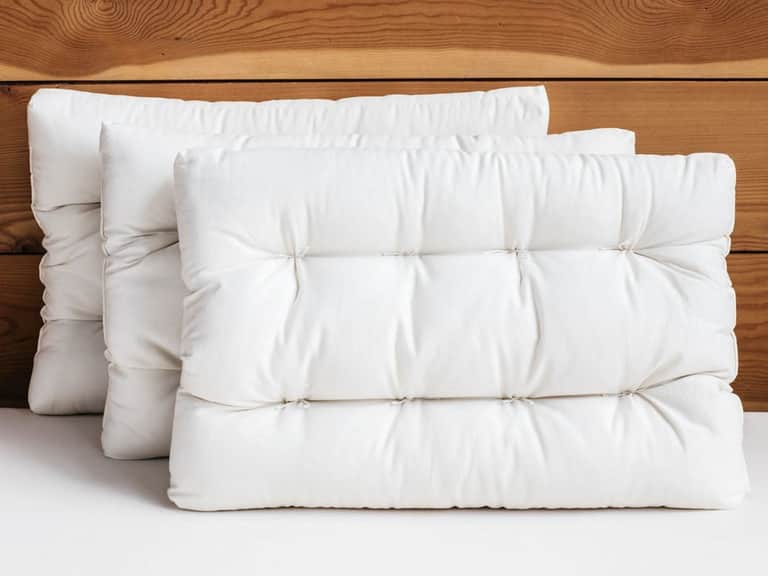
- All-Natural Orthopedic Neck Pillow — 100% organic cotton fabric with Premium Eco Wool filling, featuring dual edge bolsters for cervical support. The materials come from nature and supply-chain transparency is a core emphasis in the product’s documentation. Link: All-Natural Orthopedic Neck Pillow
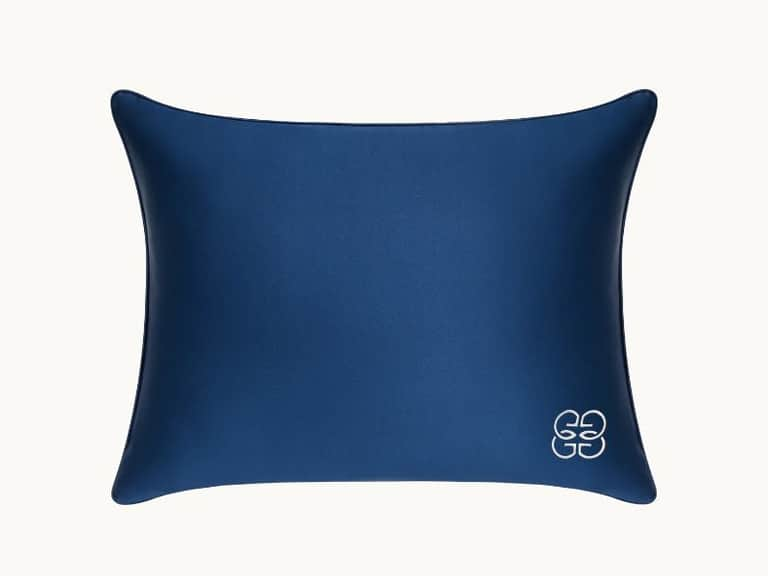
- Silk Travel Pillow — Navy — 100% Mulberry silk with a silk-filled core and a 100% cotton sateen cover. While silk is not always covered by GOTS in isolation, the product demonstrates meticulous attention to fabric quality and travel-friendly construction. Link: Silk Travel Pillow
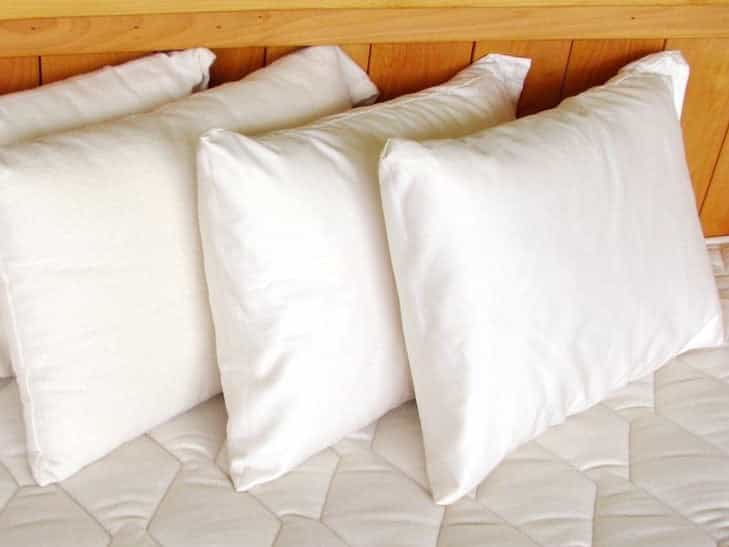
- Certified Organic Snuggle Pillow — GOTS-certified organic wool fill in 100% organic cotton sateen, with a separate organic cotton case. This item aligns with the core concept of organic textile integrity in both core materials and casing. Link: Certified Organic Snuggle Pillow